Key points
- Frankincense comes from the Old French 'franc encens', meaning pure or high-quality incense.
- It is a dried resin from Boswellia trees, collected as pale drops called tears.
- Traditions from ancient Egypt to Christian churches have burned it, and the Three Kings bring it in the Gospel of Matthew.
- You can burn it as resin on charcoal, or as sticks, cones and bricks, and the oil suits a diffuser or oil burner.
- Always burn it on a heatproof dish, ventilate the room and never leave it unattended.
What does frankincense mean?
Frankincense means 'pure incense'. It is an aromatic resin from Boswellia trees, linked in tradition with worship, prayer, the Three Kings' gift and meditation. That is the short answer. Now for the fun part.
The word comes from the Old French franc encens, meaning pure or high-quality incense. Many people burn it during meditation, prayer, ritual and altar work. They love the smell: smoky, warm and woody-resinous, with a slight citrus-and-spice lift.
So there are two answers to this question. The first is the plain word meaning: top-quality incense. The second is the symbolism that has built up over thousands of years. We cover both below.
Ready to try it? Browse our full incense range and start with these:
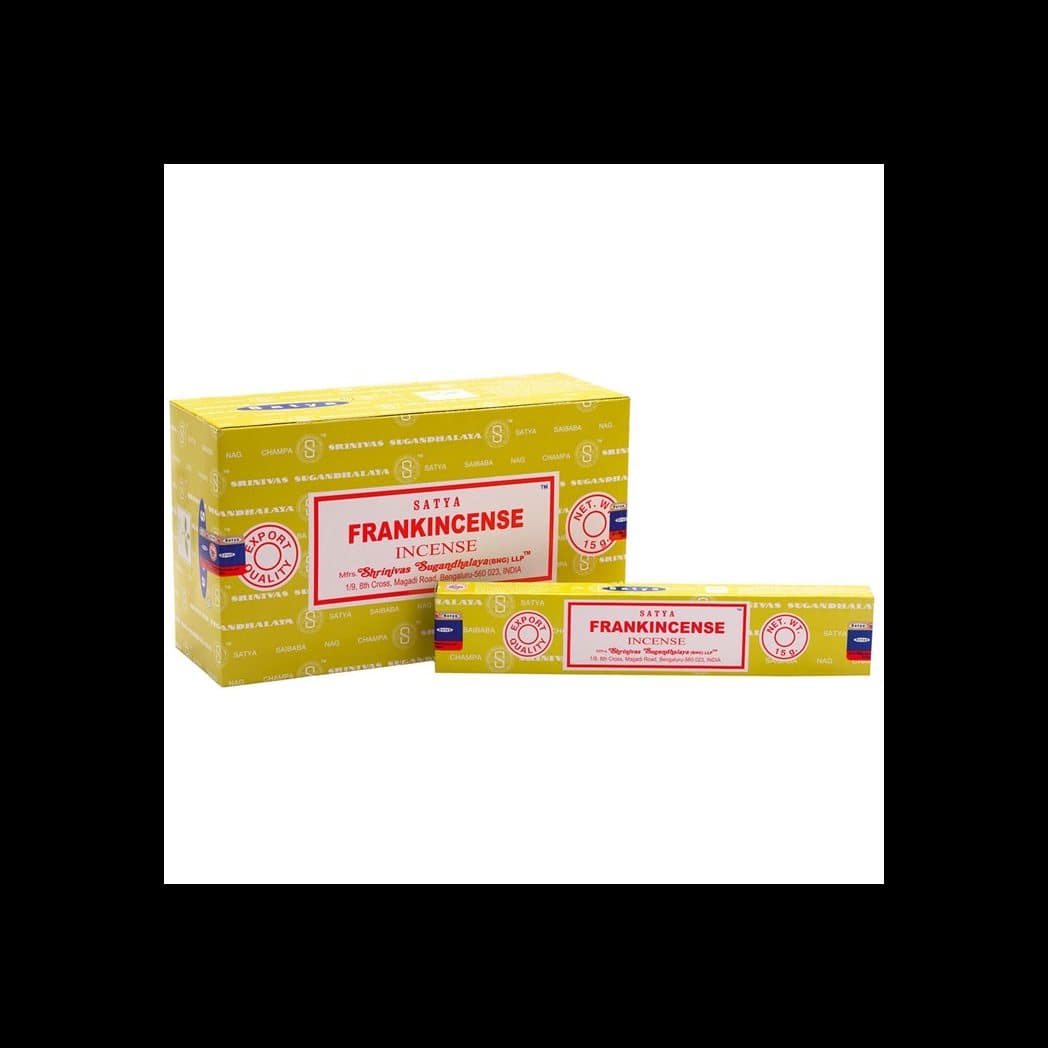
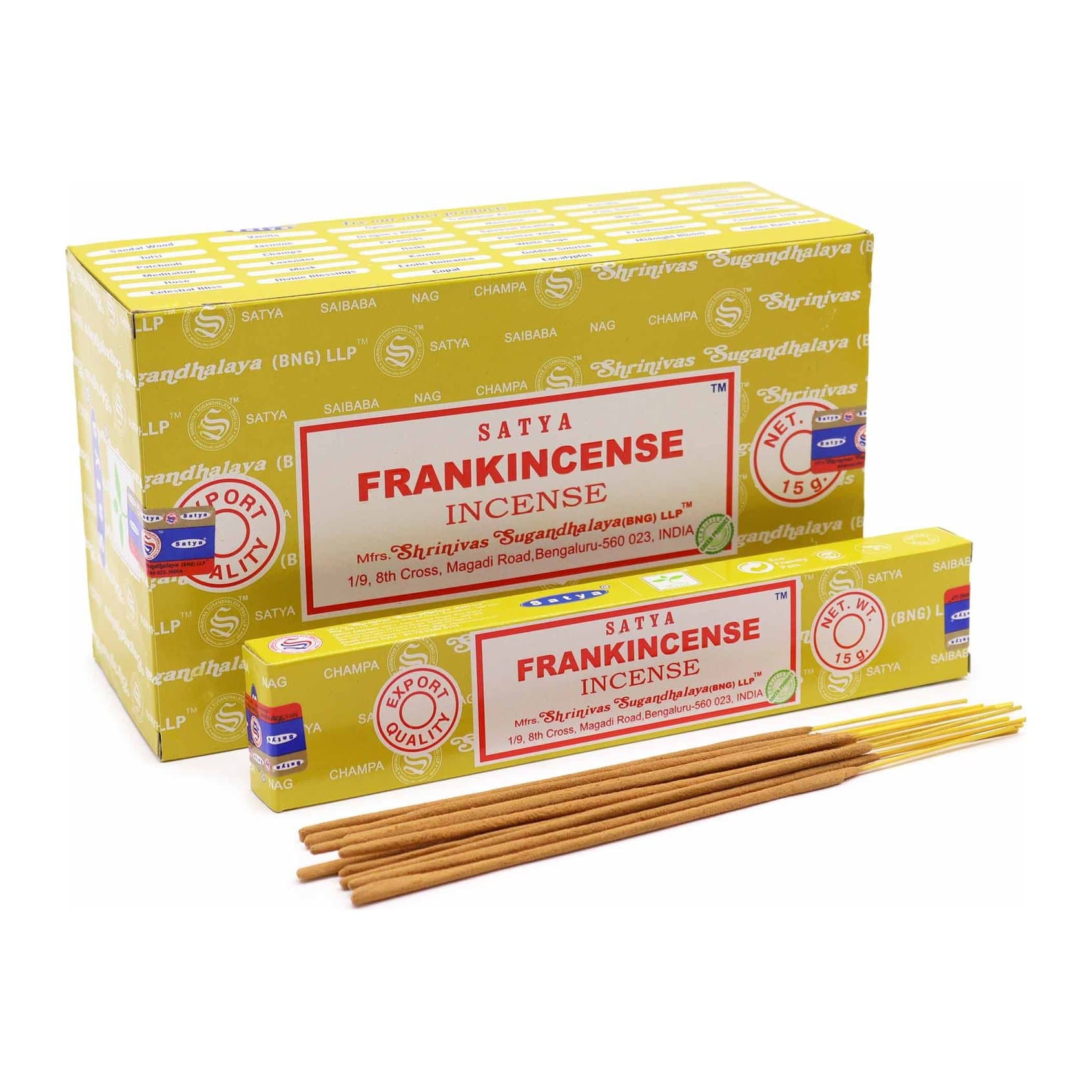
- Frankincense Incense Sticks by Satya, Set of 12 (£11.99) is a boxed set of 12 handmade, vegan friendly packs with a warm, spicy scent. Big box, big value.
- Satya Incense Sticks 15 g, Pack of 2 (£2.49) is a low-cost way to test the scent. Choose the frankincense option.
Pick a pack and light your first stick.
 Same-day dispatch
 3 designs
Where does frankincense come from and what is it made of?
Frankincense is a dried aromatic resin, also called a gum, from Boswellia trees. Nothing else is needed. The bark is cut, the sap seeps out and it hardens into pale drops called tears. That is why you will see 'frankincense tears' on so many labels.
Boswellia trees grow in dry regions around the Red Sea and the Arabian Sea. Think Oman, Yemen, Somalia and Ethiopia. Boswellia serrata grows in India. Another old name for frankincense is olibanum, from the Arabic al-luban.
Those tears can be burned as they are on a lit charcoal disc, or steam distilled into an essential oil. Same tree, two very different ways to enjoy the scent.
Want the real thing? Try these:
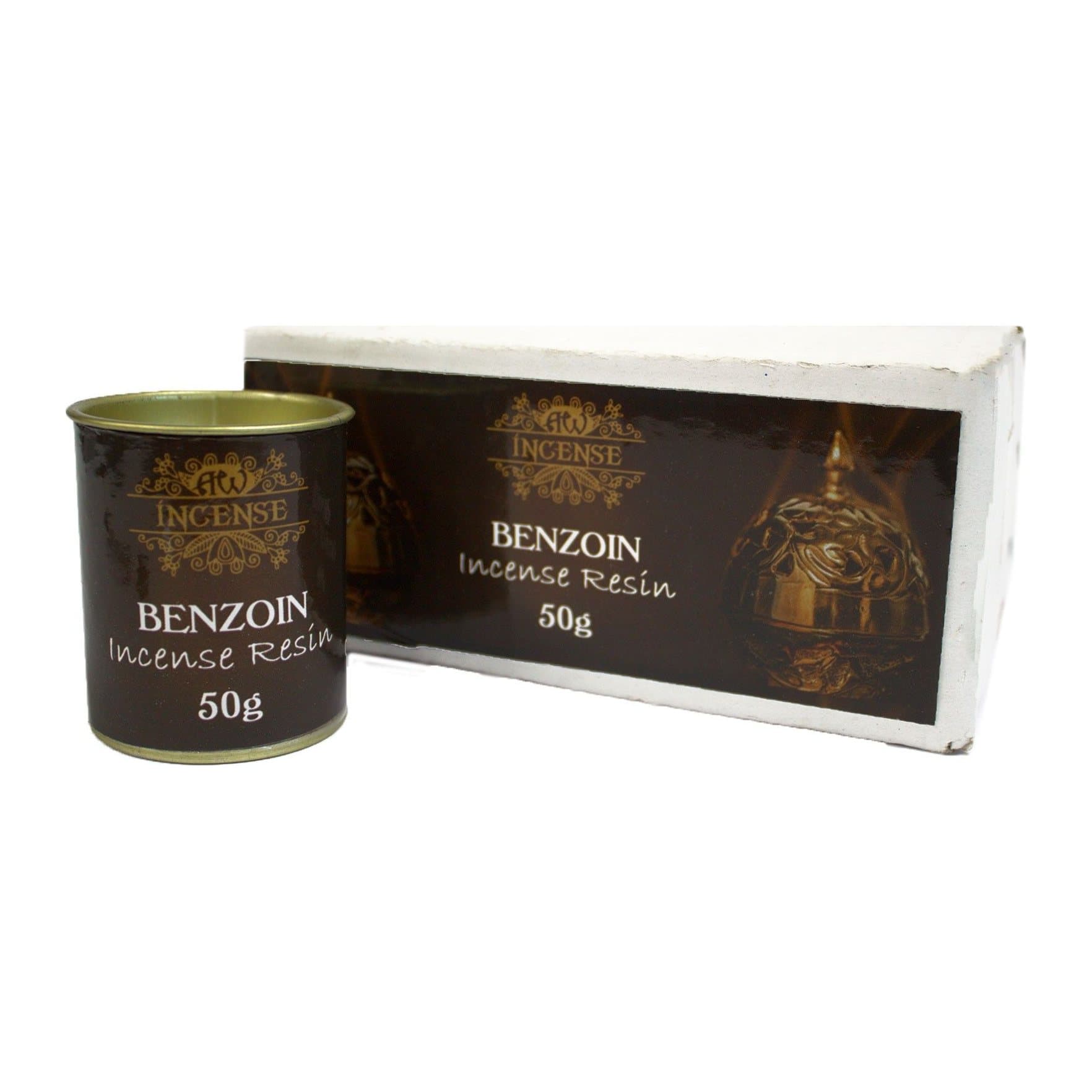
- Incense Resin 50 g Tubs, Pack of 2 (from £5.49) comes in benzoin, frankincense or Three Kings options. Pick frankincense. Charcoal is not included.
- Frankincense Essential Oil 10 ml, Pure (£10.49) is steam distilled from Boswellia carterii resin. Avoid during pregnancy.
Browse all incense, resin and charcoal and our essential oils. Grab a tub and see the tears for yourself.
 3 designs

What is the history and symbolism of frankincense?
Frankincense has one of the longest stories in the incense world. It was burned in ancient Egypt and across the ancient world. Incense trade routes through Arabia carried it to faraway places, which made it a prized thing to own.
In the Gospel of Matthew, the Magi (the Three Kings or Wise Men) bring gold, frankincense and myrrh to the infant Jesus. That is why frankincense is a Christmas symbol. Many Christians read the gifts as symbols, and one common reading links frankincense to worship and prayer.
The Hebrew Bible lists frankincense among the ingredients of the temple incense. Today it is still burned in censers in many Catholic, Orthodox and other Christian church services.
So in tradition, frankincense stands for worship, prayer and reverence. Many people today carry that spirit into meditation and altar work.
Bring a little of that story home:
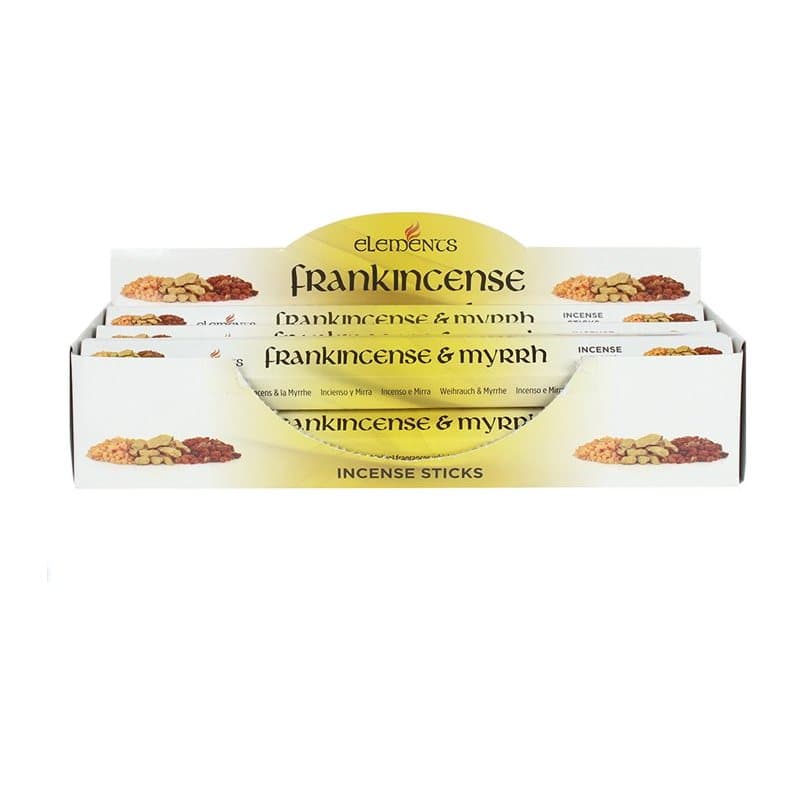
- Frankincense & Myrrh Incense Sticks, 6 Packs (£4.49) gives you 6 packs with 20 sticks in each.
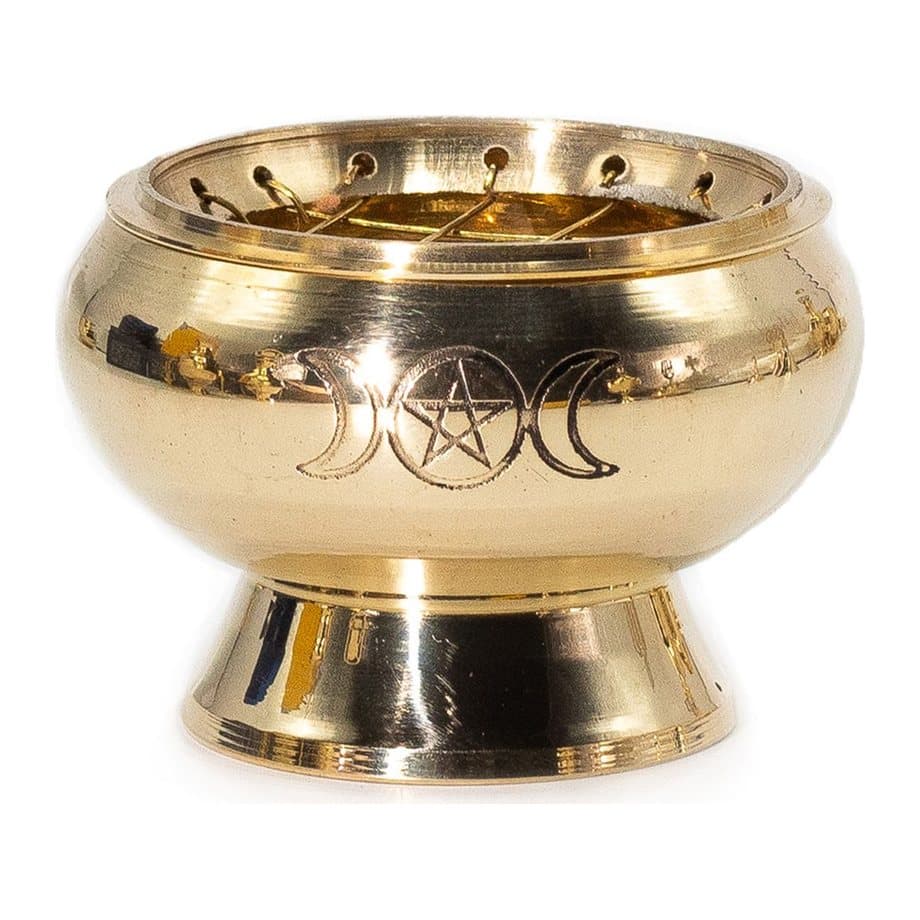
- Brass Charcoal Incense Jar with Mesh Top (from £12.49) is a small brass jar for burning resin, a modern nod to the old censer.
Explore the whole incense category today.
 Same-day dispatch
 3 designs
Why is frankincense paired with myrrh?
Because the Gospel of Matthew puts them side by side. The Magi bring gold, frankincense and myrrh, and the pairing has stuck ever since. You will find the two sold together in shops and burned together at altars.
Both are resins, but they smell different. Frankincense is smoky, warm and woody, with a slight citrus-and-spice note. Myrrh is earthier and warmer, with a slightly bitter-sweet, resinous edge. Put them together and you get a deeper, rounder scent.
Think of it like a duet. Frankincense is the bright voice. Myrrh is the low, warm one.
Try myrrh on its own first, then blend:
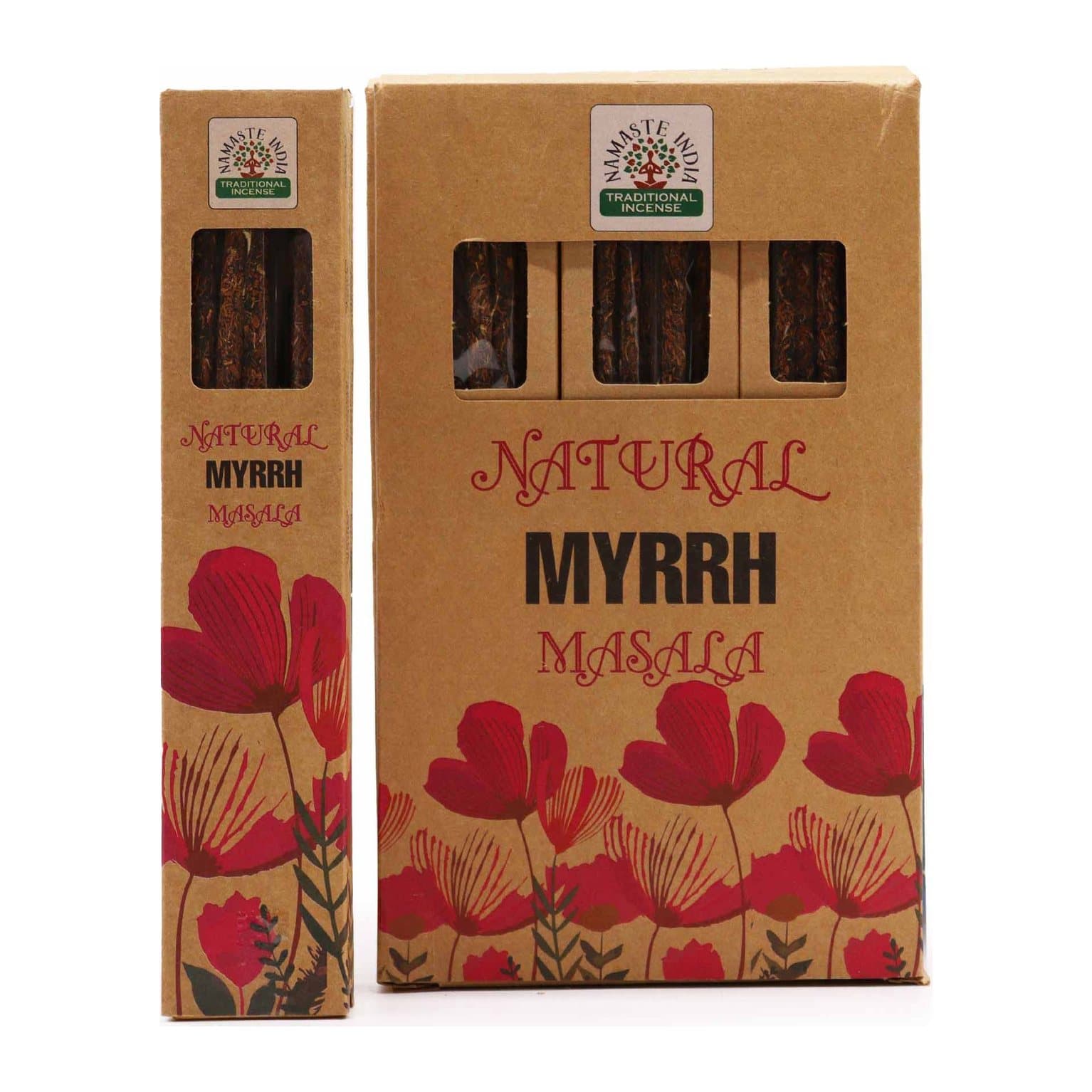
- Myrrh Incense Sticks, Pack of 2 (£3.99) has about 11 sticks in each pack, with an earthy, warm, resinous and slightly sweet scent.
- Resin Incense for Charcoal Discs 50g Tub (from £4.49) comes in amber, myrrh or guggal. Choose myrrh to burn beside your frankincense.
Browse all incense and resin and make your own pairing. Add a myrrh to your basket and compare the two.
 3 designs
How do people use frankincense today?
There are plenty of ways, so pick the one that suits your space. People commonly use frankincense in these forms:
- Resin on charcoal: the classic way. Place the tears on a lit charcoal disc in a heatproof holder.
- Sticks: light the tip, let it settle and the smoke curls up. Simple.
- Cones and bricks: neat shapes that sit in a burner.
- Essential oil: used in a diffuser or oil burner for its scent.
Many people burn it during meditation, prayer and ritual, or set it on an altar as part of their space. Need help building one? Read our guide on how to set up an altar.
Easy places to start:
- Frankincense Incense Bricks and Burner (£2.99) gives you 15 natural bricks and a terracotta burner. Each brick burns about 15 to 20 minutes, depending on airflow. It is a full starter kit.
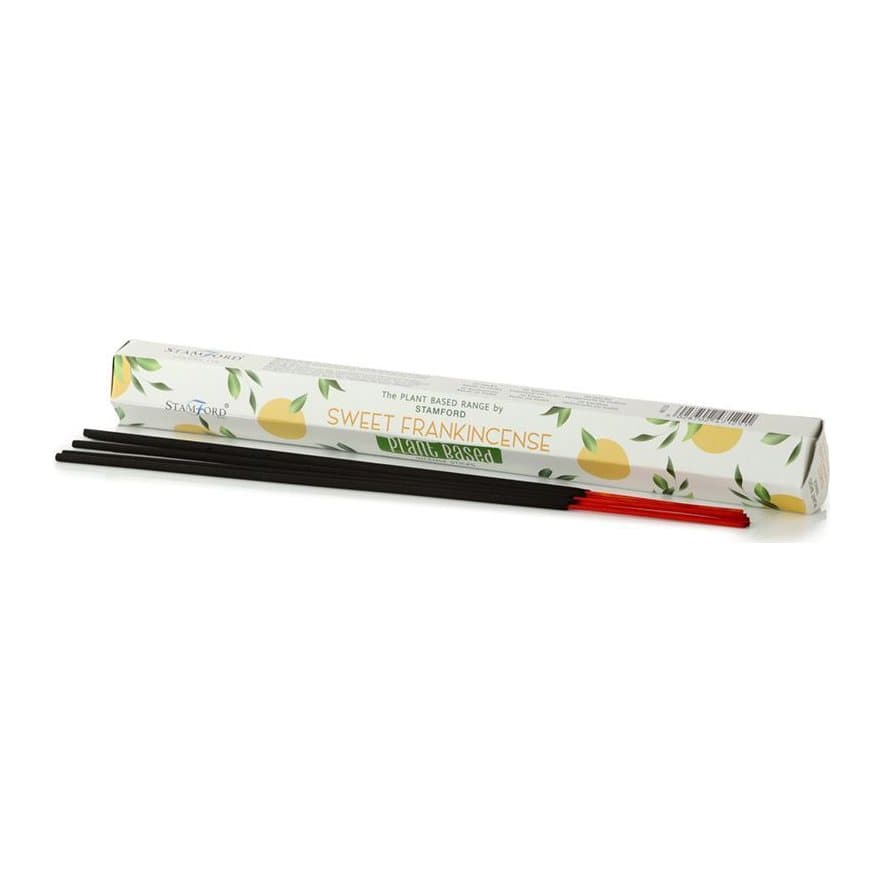
- Sweet Frankincense Incense Sticks Pack of 5 (£6.99) are plant based sticks with a sweet frankincense scent.
Shop the incense range for holders to match your style, or see our essential oils. Start with the kit and be burning in minutes.

Which type of frankincense should you choose?
Choose by how you like to burn. It is that simple.
- Want the full traditional experience? Go for resin on charcoal. Smoky, rich and hands-on.
- Want easy? Go for sticks. Light and done.
- Want a tidy shape? Go for cones. They sit in a cone burner.
- Want scent without smoke? Go for the oil, used in a diffuser or oil burner.
Several of these cost only a few pounds, so you can try more than one. Here are two more to look at:
- Sweet Frankincense Incense Cones, Pack of 5 (£6.99) are plant based cones, loved for altars and full moon rituals.
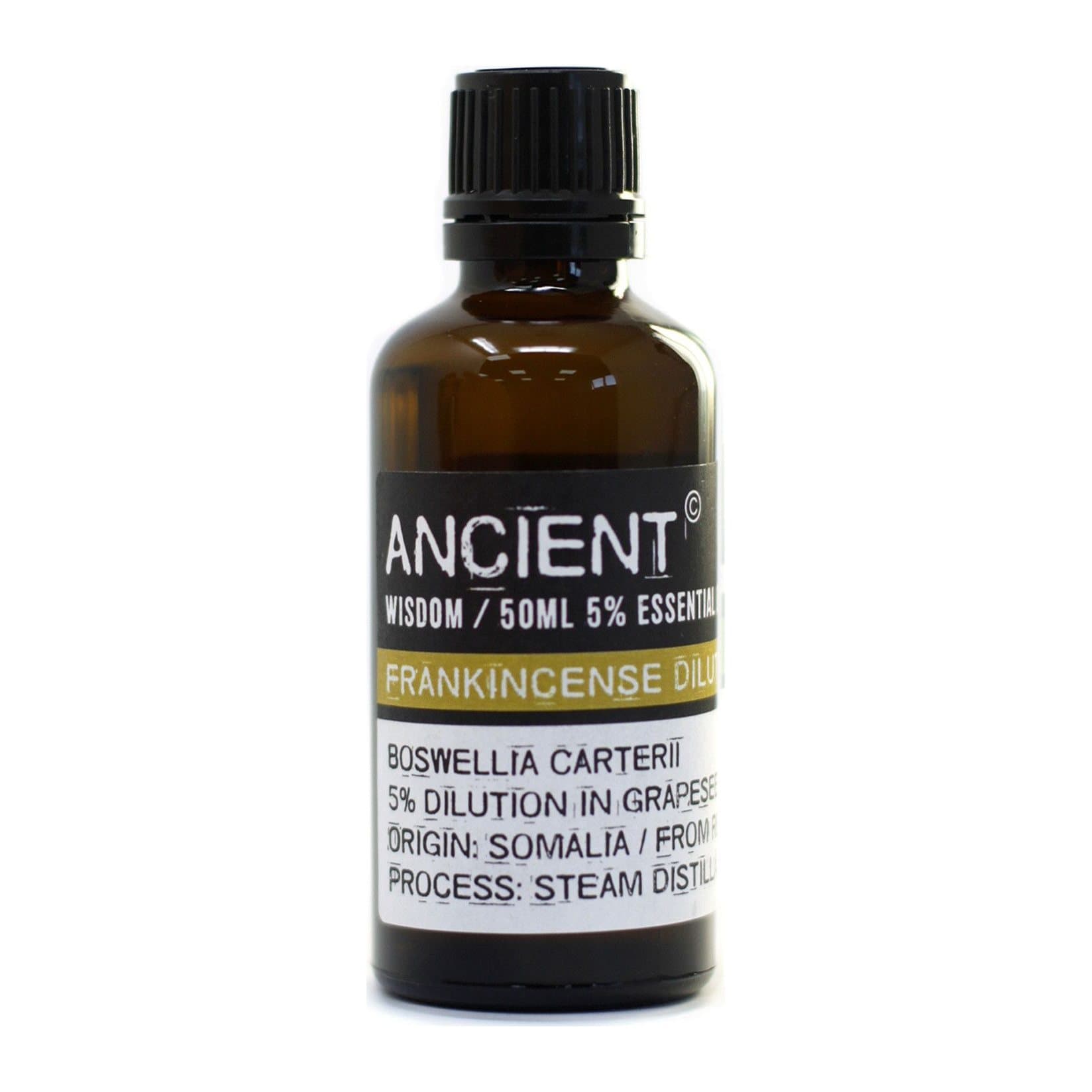
- Frankincense Essential Oil 5% Dilute 50 ml (£6.99) is steam distilled from Boswellia carterii resin and diluted to 5% in grapeseed oil. It is not for eating, drinking, smoking or use on skin. Avoid during pregnancy.
The pure 10 ml oil we mentioned earlier is also there if you prefer an undiluted bottle.
Compare everything in our incense and essential oils collections. Choose your style and add it to your basket.

How do you burn frankincense safely?
Keep it simple and keep it safe. For resin, follow these steps:
- Light a charcoal disc and hold it with tongs.
- Place it in a heatproof dish or censer with sand in the bottom. The sand helps absorb heat.
- Wait until the edges of the charcoal go grey.
- Add a few tears of resin.
- Let the ash cool before you tidy up.
For sticks and cones, use a proper holder and a heat-resistant surface.
The golden rules for all incense:
- Never leave burning incense unattended.
- Ventilate the room.
- Keep it away from children and pets.
- Resin and incense are for burning, not for eating.
Get the right kit:
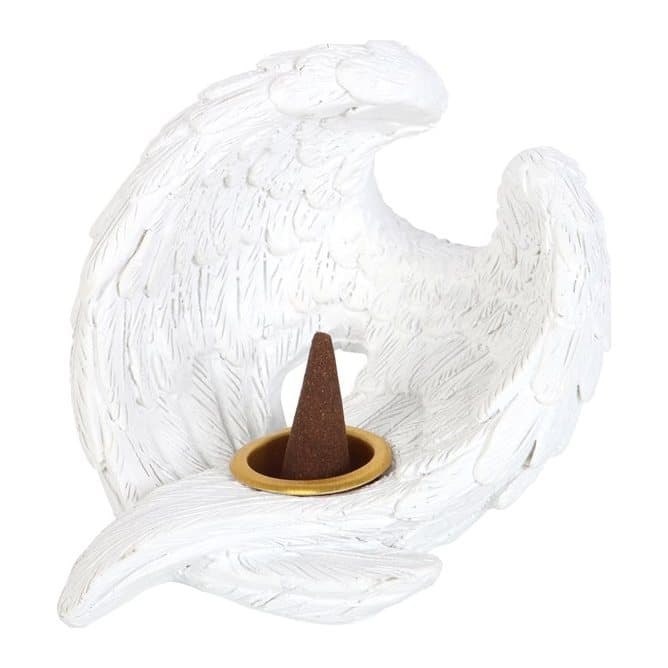
- Angel Wing Resin Incense Cone Burner (£4.49) is made to hold burning incense cones, and it is marked same-day dispatch.
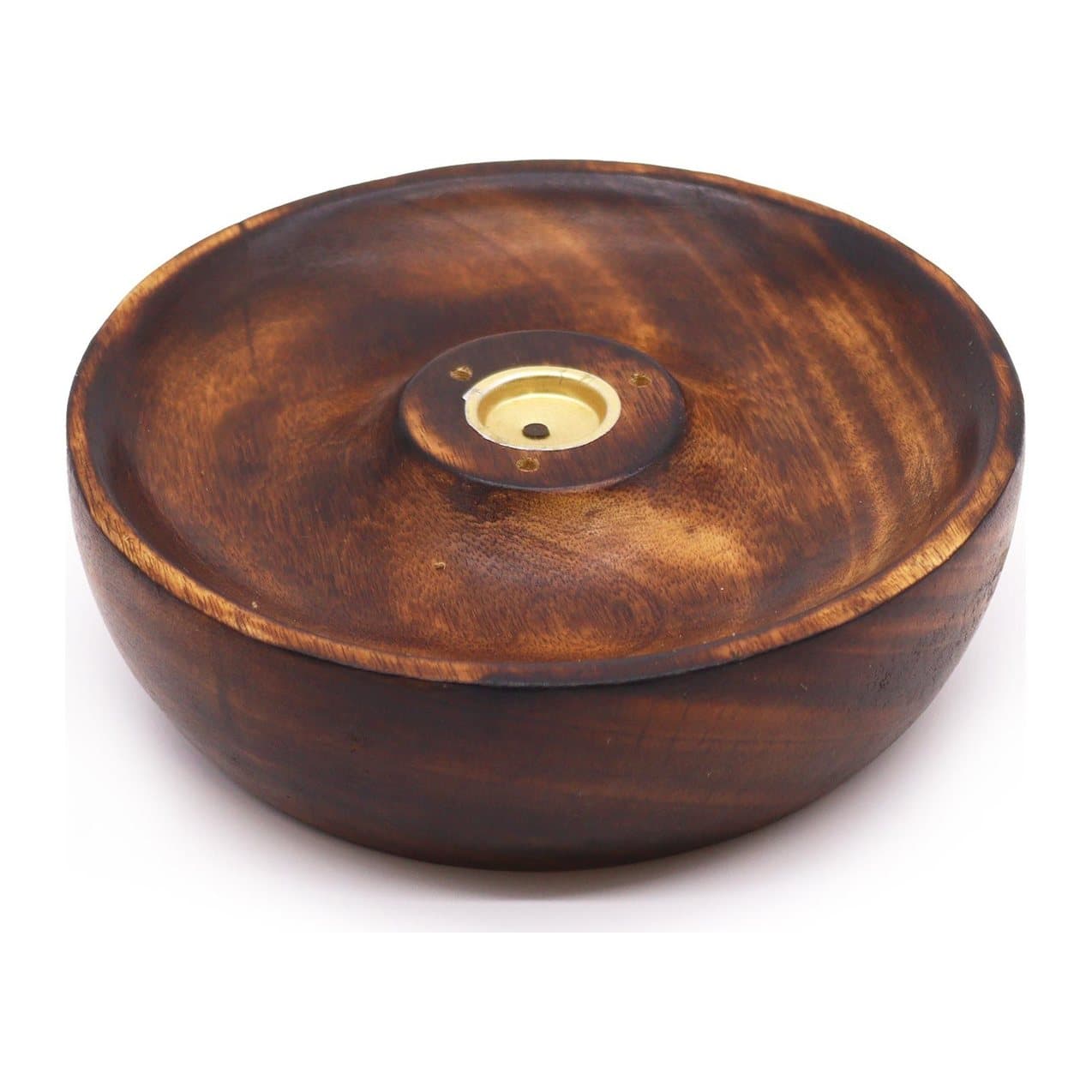
- Mango Wood Incense Stick & Cone Burner Disc (£4.49) is a plain 13 x 4 cm disc made for holding both sticks and cones.
See all burners, holders and resin in our incense range. Get your burner first, then light up.
 Same-day dispatch
How do you store and care for frankincense?
Good care is easy. Here is the routine.
- Keep resin in its tub with the lid on. Store it somewhere cool and dry, out of reach of children and pets.
- Keep sticks and cones in their box or pack so they stay neat and easy to find.
- Keep your essential oil bottle closed and upright. Remember, essential oil is not for eating or drinking, and it should be avoided during pregnancy.
- Let ash cool fully before you empty a burner. Then wipe the dish clean ready for next time.
- Use the right surface. Place burners on a heat-resistant surface every time.
A small tray or shelf for your incense tools makes the whole thing feel like a ritual in itself. Tongs, charcoal, a heatproof dish with sand, and your favourite resin all in one spot.
Need to build that set? Browse our incense range for resin, jars, charcoal, burners and dishes in different styles.
Tidy up your incense corner with a new holder today.
What goes well with frankincense?
Plenty! Frankincense is a team player. Here are classic partners:
- Myrrh: the traditional pair. Earthier and warmer.
- Copal: you can pick it in the Satya 15 g sticks range.
- Benzoin: available in our 50 g incense resin tubs.
- An altar: frankincense is a favourite for altar work. Our guide on how to set up an altar shows you how.
- A good burner: a brass jar, terracotta burner or wooden disc finishes the look.
Curious about other incense traditions? Read our guide on sage meaning, or explore witchcraft meaning if you are new to the craft.
So, what does frankincense mean to you? Maybe it is history, maybe it is a ritual, maybe it is simply a lovely smell. Whatever the reason, you can find it in our incense category, plus sticks, resin, holders and essential oils.
Every order comes with tracked UK delivery. Most of these items are marked same-day dispatch: order by noon, Monday to Friday, and they leave the same working day. Spend over £60 and we pay the first £6 of delivery, with 14-day returns.